So I'm in the midst of trying what I'm call an "experiment." It's less anxiety provoking than saying I'm going cold turkey and never going back to it. I'm on day 13 of my Facebook sobriety. I even have an accountability person for when I'm feeling weak. Actually, two. Yeah, it's that bad.
There were many factors that went into the decision, but one was time. Some things such as my day job aren't negotiable and it takes 45+ hours out of my week. Sleep is not negotiable. Showering is not negotiable. I realized that despite the advantages Facebook gives to writers to get in touch with their readers or provide a link to their newest blog post, if it's taking time away from when I could be writing, then there will be no audience. Nothing to share with readers.
In case you're considering it, a hint that's helped is that I temporarily deactivated my account so no one can comment or message me and therefore, I'm not as tempted to check it. It's also a relief though that not everything is lost (it's the closest I ever came to compiling a "wedding album" of pictures) so I can go back to it at anytime and everything will be there. I also removed it from my "bookmarks" on the computer. My "experiment" is to take it one day at a time and see how long I can go.
I was aiming for more time, but I've been surprised at how much it's decluttered my mind. I don't need to know all those details about everyone else's lives. I don't need to witness the drama that sometimes unfolds from a simple post or picture. Why fill my mind with unnecessary information about everyone I know? I'm learning to be more thoughtful about what occupies space in my mind. The same applies to commercial ads, TV, the Internet etc. If I'm going to have more room in my mind for creative ideas and story tidbits, decluttering your mind is just as important as providing yourself with more time in a day.
Maybe it's something about fall and hibernation, but I've also felt a need to close some of the shades in my life. I'm naturally a fairly private person, but removing myself from Facebook is also my way of focusing inward, and regaining more privacy so I can be more aware of the creative thoughts that bubble to the surface.
The first week wasn't as bad as I'd feared. I worked through my withdrawals, the urges to check, the jittery feelings. After a few days I stopped thinking of status updates I could post.
So far I've fallen off the wagon twice. The first time wasn't so much about feeling compulsed to check but about a Facebook event I'd created that had disappeared from everyone's view and was causing some confusion. The other time was a weak moment. I've noticed that when I'm feeling down or a need to numb myself from whatever is going on, I have the urge to check it. It's an easy way to zone out. A favorite blogger of mine wrote about her experience of unplugging from social media and I agree with a lot of her points: Momastery.
If you're one of those disciplined individuals that checks Facebook once a week or once every few days, this may not apply to you; maybe there's something else that's a time suck or that clutters your mind. For me it was Facebook. I might go back when I can be more balanced, but then again I might not.
It's a relief that you can't "like" this. That's awesome if you do, but it's not essential for me to know either.
Friday, September 27, 2013


Thursday, August 15, 2013
my depression

Day One
My depression is much like when you're at the beach, kids are playing in the sunshine and water, and you see distant dark clouds gathering. There's not much you can do about it. It's most likely going to storm. You get a a little anxious seeing them roll in and decide you better pack up your gear so you can make it back to the car before it rains. It's disappointing. There's not much you can do. It's coming. I never know how violent it will be, or if it might pass overhead with a few sprinkles. Either way, the gray clouds are gathering around my head.
I've never experienced a severe depression and it usually doesn't last more than a few days when it comes, but once it "hits shore", it's like going into a dark room when your eyes haven't yet adjusted from the bright light outdoors. You can't see clearly and you know you just have to wait it out a bit. It's familiar, you've had this before so you don't exactly panic, but it's also irritating.
When I get like this, the best way to ride it out is to watch TV. Mind numbing TV where I can be passive. Where my brain doesn't have to work too hard. I might try other things like writing, reading, or something active like riding a bike, but my motivation is so low that I'm lucky if I can get off the couch. Reading is almost impossible. I have to reread a paragraph and I still don't know what I just read, mostly because I don't care about it. It feels like so much work. And that says a lot because I love reading.
Sometimes I don't notice the depression until I catch myself being bored by everything I try to do. I've finally realized that if I'm bored of reading, it's a sign I'm depressed.
Day Two
I don't always know the why. I'm an analyzer. My own therapist once hinted that I tend to intellectualize rather than feel things. That surprised me because sometimes I feel like I feel too strongly, and that I'm too sensitive. I don't know.
Sometimes the depression is about something bothering me, or it's a sign that I've been too busy. Sometimes I've been too hard on myself. My inner critic has gained the reins of my thoughts.
There's a little chipmunk that frequents the shrubs and garden in my backyard. He scurries from bush the bush, jittery, and skittish, eventually scurrying back down the drainage hole from where he came. I feel like him when I leave home during a depression. I'm hesitant and dart quickly in and out of the library. I pray that I don't run into someone I know. I barely brushed my hair and teeth. My glasses and hole-y sweats look like I'm ready for bed. I'm the classic depressed person from a Cymbalta commercial.
I test myself to see how quickly I can dart in and out of the library. I have a book on hold and it expires after today. That's the only reason I'm going. It's also another valiant effort to see if a new book might spike my attention, pull me out of the engulfing sadness. Typically I take my time, people watching, noticing the park across the street, moseying between library shelves, purposely getting distracted by shiny new books, breathing it all in. But no, I'm on a chipmunk mission. In and out so I can go back to my hole below the ground. I'm skittish, certain that everyone suspects I did a half ass job of brushing my teeth today. That my clothes are dull much like my skin that day. That everyone is looking at me, judging me.Thank God for self check-out.
I consider stopping at the store for junk food- maybe Doritoes. Normally I eat healthy, but when I get like this, I don't care.
I consider whether it's the risk of darting in and out of the store, only because we are low on junk food at home. I decide it's too much effort, and all I want is to crawl back into my hole. It's enough energy focusing on the traffic so I don't get into an accident.
Despite my tendency to isolate at those times, I still check social media, email, and text messages. When I'm in the fog, when everything looks like a bleak and blustery November day, I still have a crevice of receptivity. By chance, someone will do or say something that gives me a droplet of happiness. I hold my empty cup out and I take that drop. I don't think the person has a clue. I grasp at it, clinging- on a day like this.
The big question is how does one get through a work day like this? Do you take a sick day? Because we can all admit there's still a stigma about mental health problems. You just don't call in to work and tell them you're too anxious, depressed, or angry. Do you go to work but do it half-heartedly? Do you go and avoid everyone you possibly can? Or do you put on a completely fake facade? I haven't found an answer. You muddle one way or another.
Sometimes I give myself short pep talks that the only thing I expect of myself is to show up and do the minimum. That I'm allowed to leave Miss. Perfection and Ms. People Pleaser at home. I even give myself a time frame. This week you get to leave parts of yourself at home, but your physical body is going. Sometimes it works, sometimes it doesn't. I've learned the most important thing is to be gentle with myself. Much like you would treat a five year old who's walked two miles and legs are hurting her. Two more baby steps? Need to rest awhile on the bench? You need to be carried? Whatever you need.
Day 3
I felt normal-ish for part of the day. I survived a difficult day at work and can't help but feel a little like super woman for accomplishing that.
Sunday, August 4, 2013
Chi-Town
I hate packing. And unpacking. But I love to travel and I don't do it nearly enough. Last weekend we went to Chicago- beloved Chicago- I adore this city!

It was unseasonably cold for July (sweatshirt weather), but we were just happy it didn't rain.

 Grass and shrubs growing on the tops of some of these buildings! We saw a few pools too.
View of Shedd Aquarium and museums


Chicago River
Windy city means getting wet by the blowing fountain!

Impromptu chess game

We had a beautiful window bench with plush cushions in our hotel room. Perfect spot to take a nap or people watch. I liked watching how confused people got at this particular crosswalk.

 Sunset from Navy Pier...
Shedd Aquarium. GOBS of people because it was a Saturday in the middle of summer, but we spent the entire day and saw just about everything. This is a humongous crab.


 Stingray! Love these creatures.
Can you see him??


The sea otter was a favorite of ours! They're so playful (and fast). It was hard to get a good pic of them.

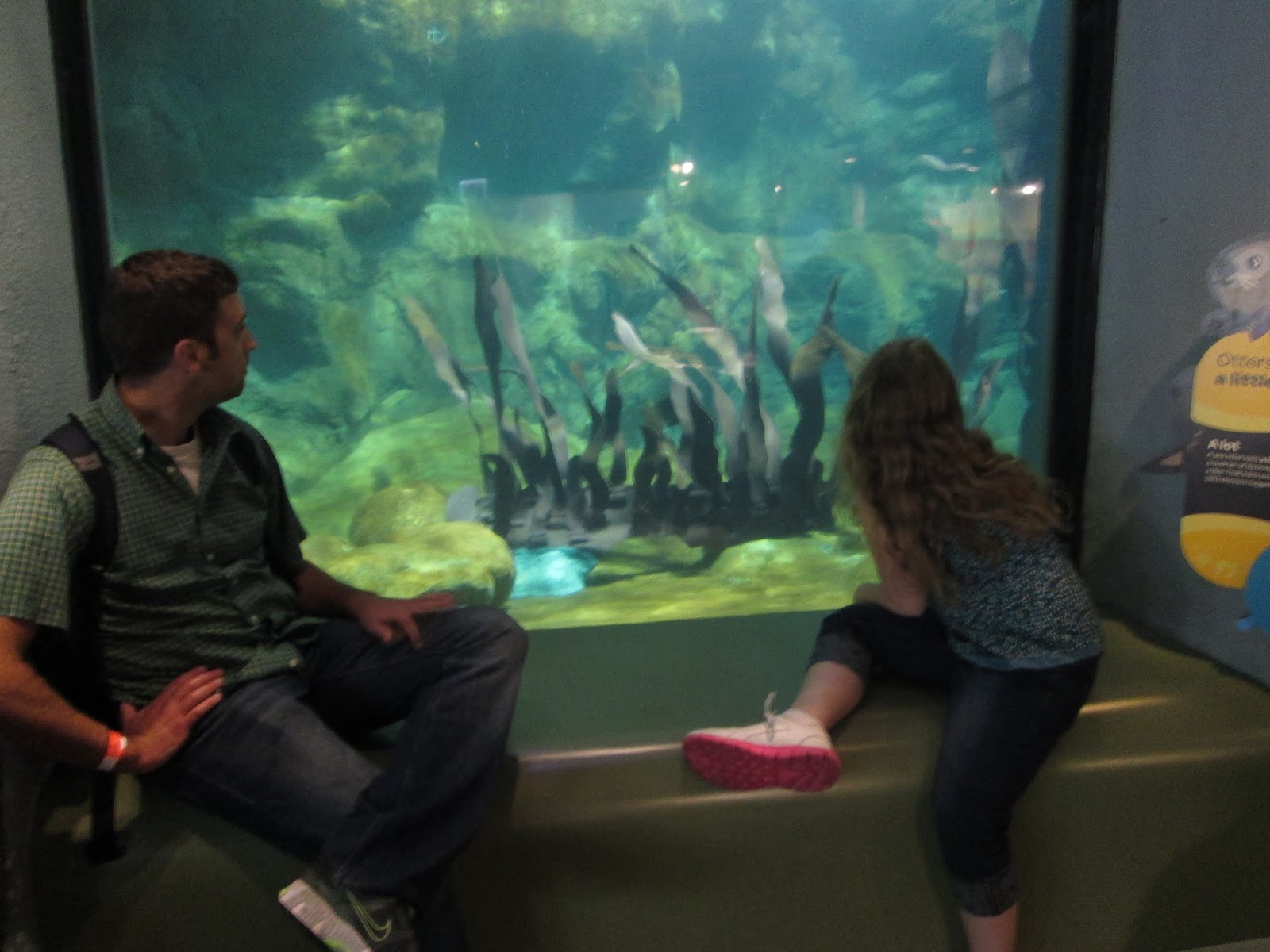
We had the chance to touch the stingrays. They were soft and a little squishy. I was surprised by how playful they were. We laughed at how many of them flocked to my stepdaughter but flapped away my husband's hands.

The aquariums are soothing to watch (minus the 20 people bumping into you).

The Shark tank

Captured this pic during our evening speedboat ride on Lake Michigan. As the sun set, the city lights dotted our view.

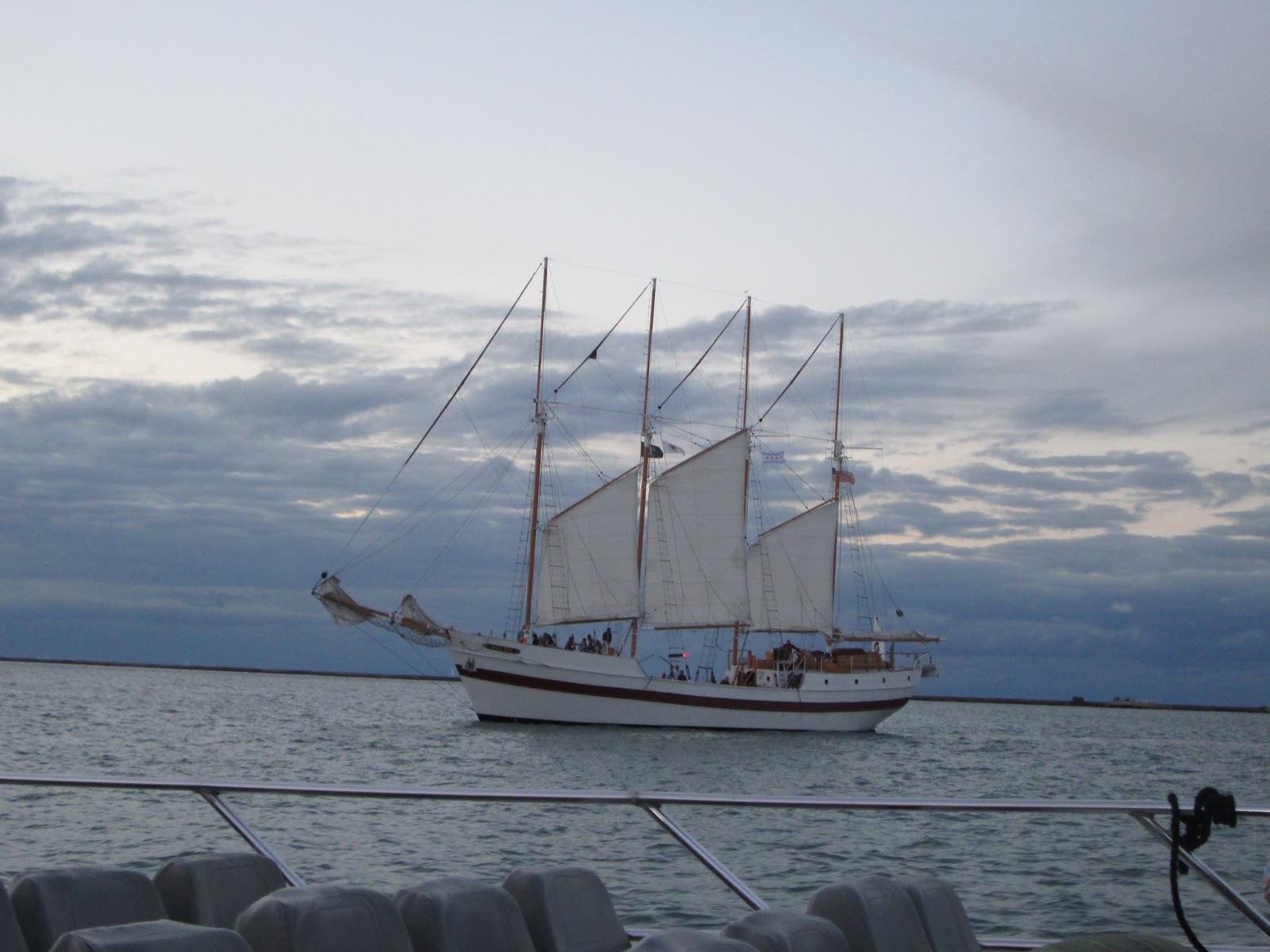

My camera was having fuzzy-ness issues but I kind of like the effect in this pic.
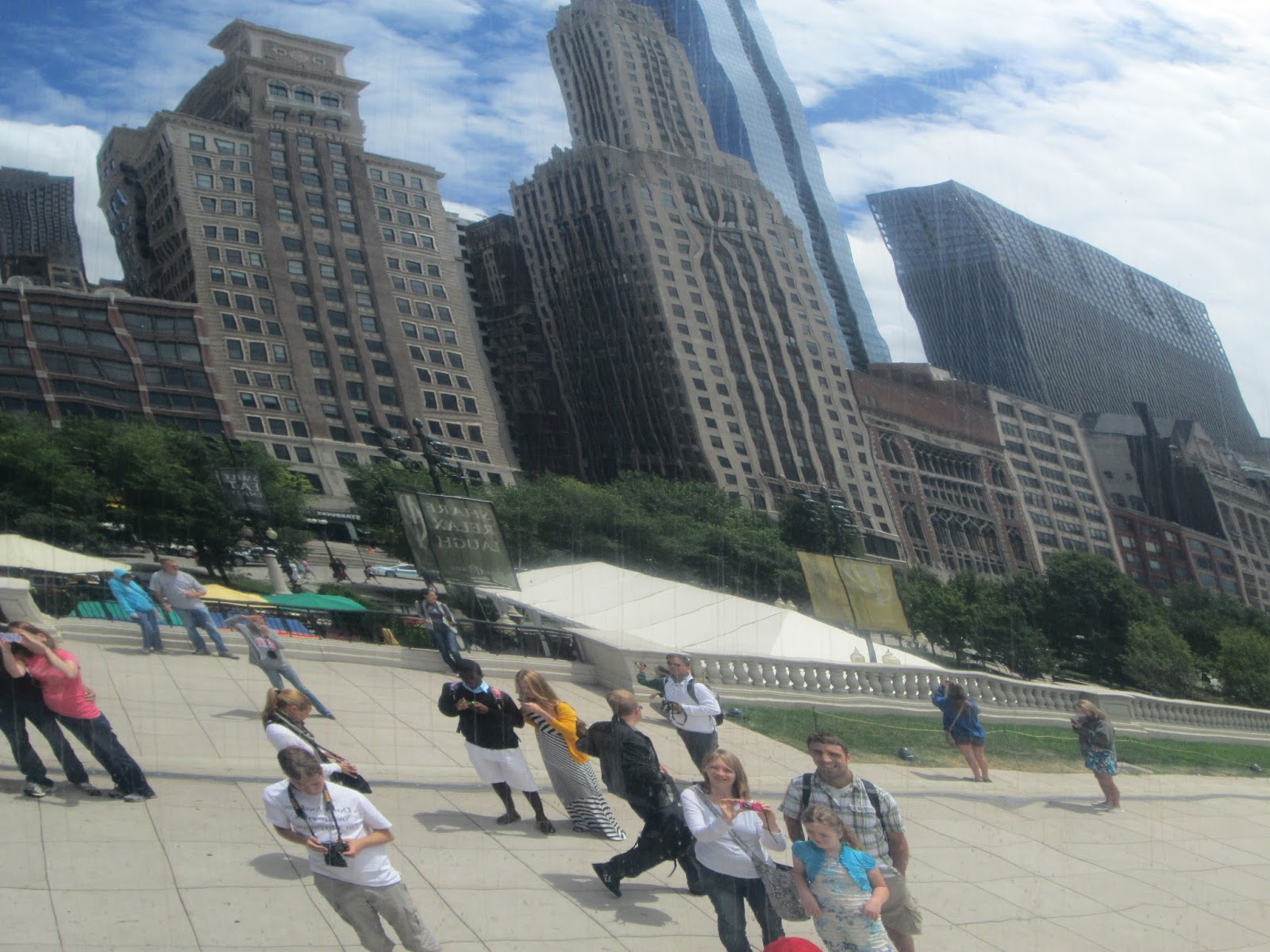
Cloud gate at Millenium Park. I had fun taking creative pics with this sculpture. It's one big mirror.

 Standing underneath.
Our reflection. Where's Waldo? Can you see us? I learned to not put the camera in front of my face.
Fountain at Millenium Park. This place is a blast for little ones on a hot day.


Nap time on the window bench.


It was unseasonably cold for July (sweatshirt weather), but we were just happy it didn't rain.
I love how all of my senses are stimulated when I travel to an environment that's outside of my normal ho-hum routine. My stepdaughter was quick to notice some of the back alley garbage smells that drifted to seemingly clean streets. We assured her it was normal.
Here are the views from the Sears Tower (Still seems weird to call it Willis Tower). It was a cloudy day so we couldn't see four states like you're supposed to, and it was an hour and half wait. We played several rounds of 20 questions while we were in line. It's a good game for a ten year old.
View of Shedd Aquarium and museums
Chicago River
Windy city means getting wet by the blowing fountain!
Impromptu chess game
We had a beautiful window bench with plush cushions in our hotel room. Perfect spot to take a nap or people watch. I liked watching how confused people got at this particular crosswalk.
Shedd Aquarium. GOBS of people because it was a Saturday in the middle of summer, but we spent the entire day and saw just about everything. This is a humongous crab.
Anaconda...I'm really surprised I didn't have nightmares that night.
Can you see him??
Jellies! These had to be the most inspiring creatures of all. No blood, brains or bones, but living creatures that are 95% water and sting their prey. It was a hectic day absorbing all kinds of facts but the exhibit talked about how millions of these came together, preventing some form of pollution in the ocean. I wish I remembered more. I just remember being awed.
The sea otter was a favorite of ours! They're so playful (and fast). It was hard to get a good pic of them.
We had the chance to touch the stingrays. They were soft and a little squishy. I was surprised by how playful they were. We laughed at how many of them flocked to my stepdaughter but flapped away my husband's hands.
The aquariums are soothing to watch (minus the 20 people bumping into you).
The Shark tank
Captured this pic during our evening speedboat ride on Lake Michigan. As the sun set, the city lights dotted our view.
My camera was having fuzzy-ness issues but I kind of like the effect in this pic.
Cloud gate at Millenium Park. I had fun taking creative pics with this sculpture. It's one big mirror.
Our reflection. Where's Waldo? Can you see us? I learned to not put the camera in front of my face.
Fountain at Millenium Park. This place is a blast for little ones on a hot day.
Nap time on the window bench.
Whenever I come home after a trip like this, I not only feel rejuvenated and happy, but I get a better view of my life. Travel is like the zoom function of a camera. I live in this world, but my zoom is always fixated on the autumn tree on the left side of the picture. It's pretty, it's nice, I know all the angles and nuances of that tree, much like my daily life. But if I can zoom out and see the whole picture, I get a new perspective. Better yet, if I can zoom in on the trickling brook on the right side of the picture, I start to think differently and how it fits in relation to the tree. I can see how that one broken branch on the tree needs to be trimmed or better yet, how magnificent that autumn tree really is. My perspective blossoms. I don't know if it's how the neurons fires in more parts of the brain as different areas are stimulated by new and unusual environments or if the mind just needs the flexibility of a "zoom function" from time to time.
I'm awed by this world, and the array of places that exist. The big cities, the people there I rarely come in contact with in my mid-sized conservative town, different transportation (hey-taxis were fun for us!), new ways of thinking, the city noises, and changing up your schedule for a few days. And you don't have to travel halfway across the world for this. We drove three hours.
So long Chi-town. We shall return!
Sunday, July 14, 2013
A half finished book
I'm trying something new today. I'm doing a book review before I've finished the book. A book that's about two boys who grow up in Afghanistan. The author is from Afghanistan.
 First though, I have a confession. I like my comfort zone when it comes to books. I'm also a bit of a picky reader. Not a reader that bashes other authors or one who only reads literary novels, but I'm impatient. The story really has to grab me by the nape of my neck and hurl me across the room. It has to give me a hangover the next morning because I was up until 5 am. If I'm going to invest 8 hours of my time in reading this book, it better be a damn good story.
But I digress.
I subscribe to Writer's Digest and that's where I found this book. I don't typically read New York Bestseller books and I often don't have the same taste as the masses. (i.e. never read the Twilight or Harry Potter series). But the topic and setting intrigued me, and I enjoyed reading the interview with the author.
My husband served in the Middle East twice. I like learning about cultures different than my own. I'm an American who really doesn't have a clue when it comes to Middle Eastern countries. I decided to check it out.
The book takes place mainly in Afghanistan, starting in the 1970's, spanning thirty some years. It follows the lives of two young boys growing up in this country and weaves in the details of how their country changes over the years. That's all I'm saying. I REALLY don't want to give anything away.
From reading the interview, I learned that the author started writing the book before 9/11. And sales were initially slow (published in 2003). I like that it doesn't have a political agenda and he didn't write it as a money making opportunity. After 9/11, he mentions that he actually stopped writing it for awhile until his wife urged him on because it was a good story. And that's what it is. The bare bones of a good story. Raw. Difficult. Honest. In 2007, the book became a movie. Every author's dream. I haven't seen it yet, but please read the book first. The writing is stellar.
Granted, I'm not done with the book. I'm a quarter of the way through, but I will probably finish it in the next couple days and wanted to write this before I start his next book.
It's a fictional story, but I'm learning a lot about the history and culture. I know these things happen, but as an American, I've become desensitized by the news. I'm physically and mentally distant. I can read a book in my bathing suit in my backyard without worrying about a bomb landing on my home or being shot. And I forget that THAT is a luxury, not a given in this world. I forget that torture, ethnic cleansing, and mass killings did not end with the holocaust. It's alive and breathing in 2013.
First pages: There wasn't a flashy attention grabber and I did have to reread a few sections due to the unfamiliar names (apparently reading books about "Bob" and "Mary" are easier for an American?). After I got through a handful of pages and figured out who was who, I was hooked.
As a writer, I've been trying to slow myself down when I'm in the midst of a book I love and ask myself, why am I so hooked? What is this author doing that works so well in telling this story?
This is what I've come up with so far:
But I digress.
I subscribe to Writer's Digest and that's where I found this book. I don't typically read New York Bestseller books and I often don't have the same taste as the masses. (i.e. never read the Twilight or Harry Potter series). But the topic and setting intrigued me, and I enjoyed reading the interview with the author.
My husband served in the Middle East twice. I like learning about cultures different than my own. I'm an American who really doesn't have a clue when it comes to Middle Eastern countries. I decided to check it out.
The book takes place mainly in Afghanistan, starting in the 1970's, spanning thirty some years. It follows the lives of two young boys growing up in this country and weaves in the details of how their country changes over the years. That's all I'm saying. I REALLY don't want to give anything away.
From reading the interview, I learned that the author started writing the book before 9/11. And sales were initially slow (published in 2003). I like that it doesn't have a political agenda and he didn't write it as a money making opportunity. After 9/11, he mentions that he actually stopped writing it for awhile until his wife urged him on because it was a good story. And that's what it is. The bare bones of a good story. Raw. Difficult. Honest. In 2007, the book became a movie. Every author's dream. I haven't seen it yet, but please read the book first. The writing is stellar.
Granted, I'm not done with the book. I'm a quarter of the way through, but I will probably finish it in the next couple days and wanted to write this before I start his next book.
It's a fictional story, but I'm learning a lot about the history and culture. I know these things happen, but as an American, I've become desensitized by the news. I'm physically and mentally distant. I can read a book in my bathing suit in my backyard without worrying about a bomb landing on my home or being shot. And I forget that THAT is a luxury, not a given in this world. I forget that torture, ethnic cleansing, and mass killings did not end with the holocaust. It's alive and breathing in 2013.
First pages: There wasn't a flashy attention grabber and I did have to reread a few sections due to the unfamiliar names (apparently reading books about "Bob" and "Mary" are easier for an American?). After I got through a handful of pages and figured out who was who, I was hooked.
As a writer, I've been trying to slow myself down when I'm in the midst of a book I love and ask myself, why am I so hooked? What is this author doing that works so well in telling this story?
This is what I've come up with so far:
- Good pacing
- Vivid and concise language (relates back to pacing)
- Characters I care about
- Good plot: not over-the-top (i.e. action movie), but has MEANING and keeps me intrigued
- I don't really know, but it has that IT factor
This book keeps bringing up emotions in me. I feel the character's sadness. I'm angry with the protagonist. I'm shocked and have to take a break. Everything a good writer should be able to elicit in a reader.
___________________________________
A Day Later:
I've finished the book. I'm moving on to his next book, A Thousand Suns.
I really enjoy his writing style. Simplicity is the backdrop, allowing the plot its profound moments.
___________________________________
A Day Later:
I've finished the book. I'm moving on to his next book, A Thousand Suns.
I really enjoy his writing style. Simplicity is the backdrop, allowing the plot its profound moments.
Wednesday, July 3, 2013
What they don't teach you in graduate school
When I entered the field of psychology, it was (at least consciously) for reasons that many therapists have: a strong desire to help people. I've always had that passion, that drive to help others grow and seeing the potential they have. I wanted my career to have deep meaning and to make a tangible difference in this world. I'm also fascinated by human behavior and feelings, and wanted to understand why people behaved the way they did.
My passion of writing almost surfaced into a career of journalism when I started college, but my personality didn't mesh well with the field and I switched my major to psychology. I told myself writing would be my hobby, and some day I'd make something of it, but I wanted something more stable to pay the bills.
It's been over ten years since I made the decision and I've struggled over the last few years about whether I made the right decision. Some days I love psychology and other days I'd rather hide and not deal with the public.. or personality disorders.
Hate and love are too strong of words, but I do have a like/dislike relationship with the field. Like many therapists, I'm an introvert, and while I like making connections with people and helping them, it's also incredibly emotionally draining. By Friday, I am depleted. I have very little left for anyone else in my life, and so I spend the weekend "recovering" and recharging my battery. And you start all over on Monday.
There's a high rate of burnout in the field, especially if you work with severe mental illness and the underprivileged (in other words, not in private practice). When I try to explain this to people who aren't working in mental health, they nod, but it's always clear that they don't "get it." Typically people I meet in every day life are more concerned that I'm analyzing them and I reassure them, "I'm off the clock."
I had an "ah ha" moment while talking to a colleague of mine. Do you know that feeling you have when you think you must be the only person in the world that has ever felt a certain way about something? And then you're talking to someone who, on their own, start spilling how they feel and it's the exact same thing? Suddenly you feel relief and a closer connection to that person. Thank goodness I'm not the only one!
So my colleague tells me how she has a hard time socializing and being around people outside of her immediate family when she's not at work. How it can feel draining and almost like work to even be around people, because after a week of doing therapy, all she wants is to be alone or just alone with her husband. As an introvert, after talking and dealing with people all week, after giving and connecting emotionally with so many people, she needs some quiet alone time.
Ding ding ding! That's been my experience too, ever since I started my career. It was frustrating to watch my social life dwindle. I was spending much less time with family and friends than I did five years ago, but there was a reason for it. I was exhausted. I had a period of time where I was starving for alone time or chilling alone with my husband. I craved it and wondered if I was turning into a hermit. However, after I granted time to myself and felt rested, I found that I enjoyed and really missed spending time with people in my personal life.
In graduate school they don't teach you about burn-out or vicarious trauma*, which is really unfortunate considering psychologists have one of the highest rates of suicide of all professions (or last I heard they did).
You learn as you go, you reach near burn-out points, you suffer through burnout, you have periods of depression, you try to manage a challenging job while managing the stressful life events that all humans go through.
You look for support from colleagues who (thank goodness) are therapists and lets admit, it's pretty convenient to have coworkers who are therapists. You learn from them. You observe. You struggle with set backs and kick yourself for not being social one weekend and then realize, you probably need to relax and there will be another time to socialize with those people.
You wonder whether it's all worth it, if your career is consuming your life, if you need to draw better boundaries between work and personal life. You catch yourself thinking about work problems when you're at home and you remind yourself of boundaries. You decide maybe you need to get back into therapy yourself to sort all of this out and then you're not sure when you have time to squeeze it in. But if you tell your clients the importance of being engaged in therapy, shouldn't you be modeling that yourself?
Then after all that, you realize that all your body needs is a nap, and that the most important message you give your clients and should model for yourself, is to take care of yourself.
*Note: vicarious trauma is when a therapist is traumatized by hearing and treating people who have been through trauma.
My passion of writing almost surfaced into a career of journalism when I started college, but my personality didn't mesh well with the field and I switched my major to psychology. I told myself writing would be my hobby, and some day I'd make something of it, but I wanted something more stable to pay the bills.
It's been over ten years since I made the decision and I've struggled over the last few years about whether I made the right decision. Some days I love psychology and other days I'd rather hide and not deal with the public.. or personality disorders.
Hate and love are too strong of words, but I do have a like/dislike relationship with the field. Like many therapists, I'm an introvert, and while I like making connections with people and helping them, it's also incredibly emotionally draining. By Friday, I am depleted. I have very little left for anyone else in my life, and so I spend the weekend "recovering" and recharging my battery. And you start all over on Monday.
There's a high rate of burnout in the field, especially if you work with severe mental illness and the underprivileged (in other words, not in private practice). When I try to explain this to people who aren't working in mental health, they nod, but it's always clear that they don't "get it." Typically people I meet in every day life are more concerned that I'm analyzing them and I reassure them, "I'm off the clock."
I had an "ah ha" moment while talking to a colleague of mine. Do you know that feeling you have when you think you must be the only person in the world that has ever felt a certain way about something? And then you're talking to someone who, on their own, start spilling how they feel and it's the exact same thing? Suddenly you feel relief and a closer connection to that person. Thank goodness I'm not the only one!
So my colleague tells me how she has a hard time socializing and being around people outside of her immediate family when she's not at work. How it can feel draining and almost like work to even be around people, because after a week of doing therapy, all she wants is to be alone or just alone with her husband. As an introvert, after talking and dealing with people all week, after giving and connecting emotionally with so many people, she needs some quiet alone time.
Ding ding ding! That's been my experience too, ever since I started my career. It was frustrating to watch my social life dwindle. I was spending much less time with family and friends than I did five years ago, but there was a reason for it. I was exhausted. I had a period of time where I was starving for alone time or chilling alone with my husband. I craved it and wondered if I was turning into a hermit. However, after I granted time to myself and felt rested, I found that I enjoyed and really missed spending time with people in my personal life.
In graduate school they don't teach you about burn-out or vicarious trauma*, which is really unfortunate considering psychologists have one of the highest rates of suicide of all professions (or last I heard they did).
You learn as you go, you reach near burn-out points, you suffer through burnout, you have periods of depression, you try to manage a challenging job while managing the stressful life events that all humans go through.
You look for support from colleagues who (thank goodness) are therapists and lets admit, it's pretty convenient to have coworkers who are therapists. You learn from them. You observe. You struggle with set backs and kick yourself for not being social one weekend and then realize, you probably need to relax and there will be another time to socialize with those people.
You wonder whether it's all worth it, if your career is consuming your life, if you need to draw better boundaries between work and personal life. You catch yourself thinking about work problems when you're at home and you remind yourself of boundaries. You decide maybe you need to get back into therapy yourself to sort all of this out and then you're not sure when you have time to squeeze it in. But if you tell your clients the importance of being engaged in therapy, shouldn't you be modeling that yourself?
Then after all that, you realize that all your body needs is a nap, and that the most important message you give your clients and should model for yourself, is to take care of yourself.
*Note: vicarious trauma is when a therapist is traumatized by hearing and treating people who have been through trauma.
Subscribe to:
Posts (Atom)